
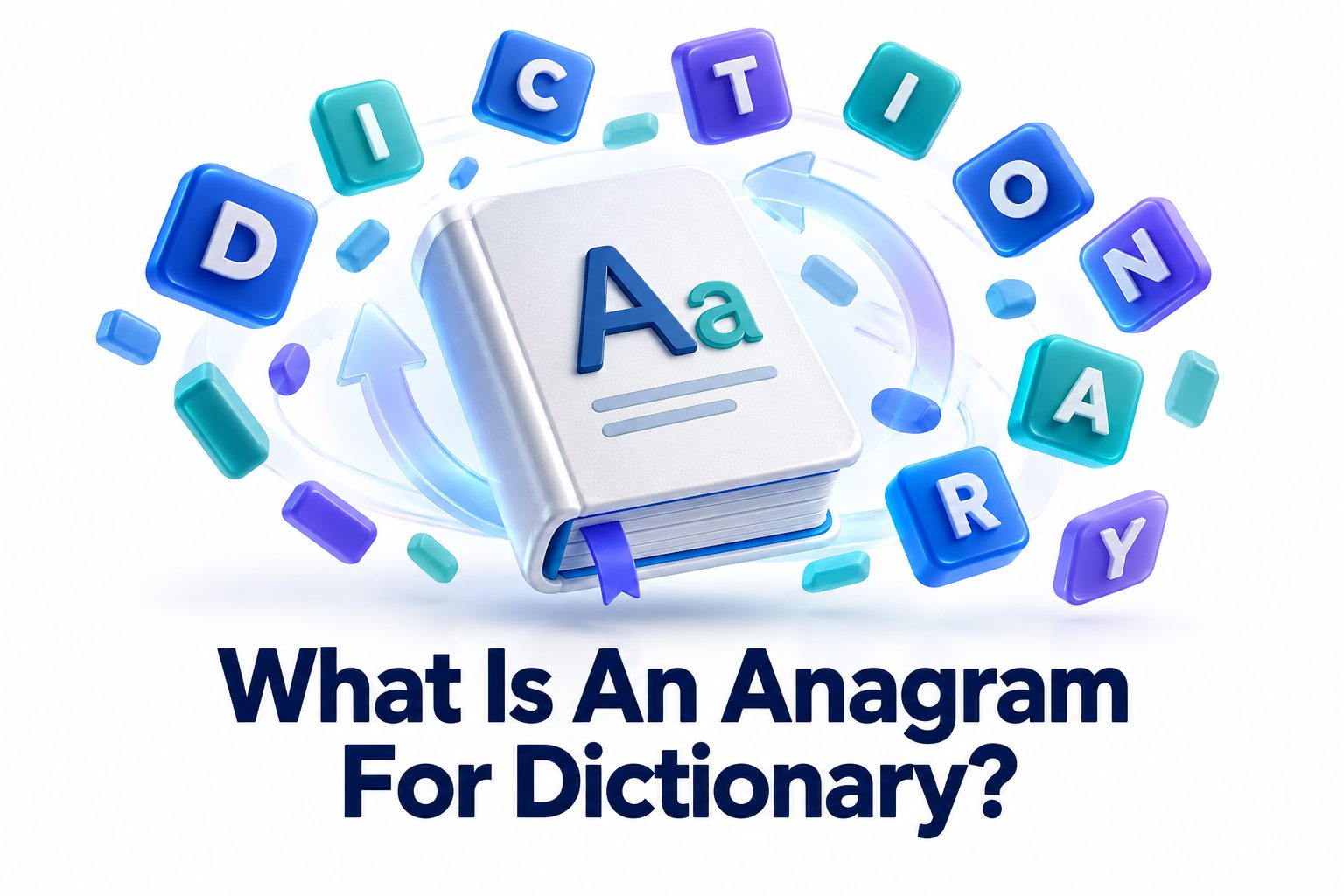
Many people come across strange word puzzles online and pause to ask what is an anagram for dictionary. The phrase sounds simple, yet it opens a door to creative wordplay, vocabulary building, and fun language tricks. Readers want clear answers with real examples they can remember and share.
An anagram means rearranging all or some letters of a word to make a new word or phrase. With dictionary, the letters can form clever alternatives that surprise even experienced readers. This idea blends learning with entertainment in a natural way.
In this article, we will break down the meaning in plain English, show useful examples, and explain why this topic matters for students, writers, and puzzle fans. You will get practical tips, tools, and ideas to use anagrams with confidence.
Basic Meaning of Anagrams in English Vocabulary
An anagram is a word or phrase formed by rearranging the letters of another word. Every letter can be used once, and the new arrangement must make sense. For example, listen becomes silent, and act becomes cat with simple letter changes.
This concept is popular in schools, crosswords, and mobile games because it trains the brain. It improves spelling, pattern recognition, and creative thinking. Once you learn the basic rules, spotting anagrams becomes easier and much more enjoyable.
How the Word Dictionary Creates Perfect Anagrams
The word dictionary contains ten letters with repeated vowels and consonants, which gives many combination options. Those letters can build shorter words like city,ronic,dirty,or indict. Writers often use partial anagrams to explain the idea more clearly to beginners.
Full rearrangements of all ten letters are harder to make and often sound unusual. That is why most guides focus on meaningful smaller words. The goal is to show creativity while keeping the results readable and useful for learners.
Key Points to Remember About Anagrams
- An anagram uses the same letters in a different order to form a new word
- Partial anagrams use some letters, full anagrams use all letters
- Good anagrams are meaningful, not random letter mixes
- Longer words like dictionary offer more creative word options
- Practice with short words first before trying longer ones
Popular Anagram Examples for the Word Dictionary
One commonly cited partial anagram for dictionary is indictor, which uses eight letters from the original set. Other playful finds include dirty, nicety, and tacticry in casual puzzle lists. These examples help readers see how flexible letter play can be.
It is important to note that quality matters more than quantity in word puzzles. A clear, real word is better than a forced combination. Focus on usable English words that add value to vocabulary practice and daily writing tasks.
Short Anagrams Made From Dictionary Letters
Short words taken from dictionary are ideal for beginners and classroom practice. Words like dot, tin, icy, rind, and irony show how small parts create meaning. They are easy to spot and simple to explain during lessons.
Teachers often start with three to five letter builds before moving forward. This step by step method builds confidence and keeps learners motivated. Short anagrams also work well for spelling drills and quick warm up games.
Why Word Lovers Search Anagram Meanings Online
Search interest keeps growing because puzzles, board games, and apps frequently use anagarms for challenges. People want fast answers that explain meaning, show examples, and help them win games. Clear definitions save time and reduce confusion for casual players.
Blog readers also look for trustworthy language tips they can apply in study or work. A well written answer builds trust and keeps them returning. That is why search intent favors simple language, practical examples, and helpful context over technical jargon.
Quick Checklist for Solving Anagram Puzzles
- Write the main word in capital letters for clear viewing
- Count vowels and consonants separately before starting
- Look for common prefixes like IN, RE, and DE first
- Try common suffixes like ING, ION, and Y at the end
- Say letter combinations out loud to catch hidden words
- Use an anagram solver only to verify your final answer
The Role of Letter Arrangement in Word Puzzles
Letter arrangement is the heart of every anagram puzzle and word game. Changing order can shift meaning completely while using the same basic material. This teaches players to look at familiar words from fresh angles and think flexibly.
Puzzle designers rely on this trick to create levels that feel fair but challenging. By limiting letters, they force creative solutions. Players learn patience, focus, and attention to detail, which helps in reading, writing, and problem solving tasks.
Simple Methods to Find Anagrams Quickly
A simple method is to alphabetize the letters of dictionary and then group common pairs. Look for TH, CH, TR, and CT blends that appear in English often. Rearrange around those blends until a familiar word shape appears in your notes.
Another approach is to fix one letter as the starting point and rotate the rest. For help with word game tools, see [Internal Link: Anagram Solver Guide]. This manual practice builds speed and makes online tools more effective when you need them later.
Manual Letter Sorting Technique
Manual sorting works well when you write each letter on a small card or sticky note. Move the cards around on a table until patterns emerge. This hands on style helps visual learners remember spellings and word structures much better.
Set a timer for three minutes to keep the activity focused and fun. Write down every valid word you find, even short ones. Review the list at the end and pick the most interesting options to keep for future practice sessions.
History and Origin of Anagrams in Literature
Anagrams have a long history in Latin, French, and English literary circles. Poets and scholars used them to hide names, create pen names, and add humor to texts. Royal courts treated clever anagrams as a sign of intelligence and sharp wit.
Famous writers later used anagrams for characters and titles to add hidden layers. This tradition continues in modern books, films, and games. Learning this background makes wordplay feel richer and more connected to culture and history.
How Anagrams Improve Vocabulary and Spelling Skills
Working with anagrams forces close attention to letter order, vowel placement, and word families. Learners notice roots, prefixes, and suffixes more clearly during practice. Over time, this careful observation leads to stronger spelling habits and fewer common writing mistakes.
It also expands active vocabulary because players meet new words while rearranging letters. For classroom vocabulary ideas, see [Internal Link: Vocabulary Building Activities]. Regular short sessions are more effective than long, tiring drills done only once in a while.
Anagrams Versus Other Wordplay Forms
Term – What It Does – Simple Example
Anagram – Rearranges letters to form new word – listen and silent
Palindrome – Reads same forward and backward – level and madam
Homophone – Sounds same but spelled differently – flour and flower
Pun – Uses double meaning for humor – time flies like an arrow
Common Tools Used to Generate Anagrams Today
Modern anagram solvers let you enter dictionary and instantly see hundreds of smaller word options. Many tools allow filters by word length, starting letter, or Scrabble score. These filters help students, writers, and gamers find exactly what they need faster.
Mobile apps also add practice modes, daily challenges, and leaderboards for motivation. Use them as learning aids rather than shortcuts. Try solving first on paper, then check results with a tool to confirm spelling and meaning.
Choosing Reliable Anagram Resources
Reliable resources use updated word lists and clear definitions from trusted dictionaries. Look for tools that show word meanings, not just letter mixes. This extra context helps you avoid obscure terms that other players may not accept in games.
Avoid sites filled with ads or unrealistic claims about word magic. Choose clean, fast tools with good reviews and simple layouts. Bookmark two or three favorites so you always have support during study or play.
Difference Between Anagrams Palindromes and Homophones
Many beginners mix anagrams with palindromes and homophones because all involve clever word relationships. Anagrams focus on letter order, palindromes focus on reverse reading, and homophones focus on sound. Knowing the difference improves answers in quizzes and classroom tests.
Clear examples make the idea stick for long term memory. Practice sorting ten mixed words into three groups based on rules. This small exercise sharpens logic and helps learners explain concepts to others with clear language and confidence.
Creative Uses of Dictionary Anagrams in Branding
Marketers sometimes use anagram style thinking to create brand names, slogans, and product titles. Rearranging letters can spark fresh ideas that feel familiar yet unique. It is a low cost brainstorming method that teams can try without special software or training.
Writers also use this trick for character names and story titles with hidden meaning. A name built from key letters can hint at personality or plot. When used carefully, the result feels smart and memorable for readers and customers alike.
Tips List for Better Anagram Practice
- Start with five letter words before trying dictionary length puzzles
- Keep a notebook of interesting finds for future writing use
- Practice five minutes daily instead of one long weekly session
- Learn common Latin and Greek roots to spot patterns faster
- Play with friends to make learning social and competitive
- Review missed words and write one sentence with each
Fun Classroom Activities Built Around Anagrams
Teachers can turn anagrams into team games that build cooperation and fast thinking. Divide students into small groups and give each group letter cards for a long word. The team that builds the most valid words in ten minutes wins bonus points.
Another idea is an anagram relay where students run to the board and write one word. This adds movement and energy to language lessons. Such activities improve focus, encourage participation, and make vocabulary review feel like play rather than work.
Group Games That Build Word Skills
Small group games work best when rules are simple and time limits are clear. Try head to head rounds with three letter, five letter, and seven letter targets. Award extra points for correct spelling and clear definitions spoken aloud.
Rotate group leaders so every student gets a chance to manage letters and time. This builds leadership along with language skill. End each session with a quick review of new words learned and praise creative answers from all teams.
Mistakes to Avoid When Solving Anagrams
A common mistake is forcing letters into fake words that have no dictionary meaning. Another issue is ignoring letter counts and reusing a letter twice. Both habits waste time and create confusion during games or tests that require valid answers.
Rushing is also a problem because tired eyes miss obvious patterns like ION or TIC. Take short breaks, rewrite letters neatly, and double check counts. Patient, organized work leads to better results and stronger learning over time.
Practical Value of Learning Anagrams Daily
Daily anagram practice sharpens memory, focus, and mental flexibility in small but steady ways. It trains you to see connections faster, which helps in reading comprehension and problem solving. Even five focused minutes can make a noticeable difference over a month.
Writers gain fresher word choices, students gain spelling confidence, and gamers gain higher scores. The habit is simple, free, and easy to keep. With steady effort, playful letter puzzles become a useful part of lifelong learning and clear communication.
Important Facts About Dictionary Anagrams
- Dictionary has ten letters, which allows hundreds of smaller combinations
- Most useful results are partial anagrams, not full ten letter rearrangements
- Repeated letters like I and O increase creative options
- Short builds are best for teaching beginners and young learners
- Anagram practice supports spelling, reading speed, and creative writing
Conclusion
We covered definitions, examples, history, tools, and classroom uses to give a full picture of this wordplay topic. You learned how letter order creates new meaning and how steady practice builds stronger language skills. These lessons apply to study, games, writing, and everyday thinking in useful ways.
If you still wonder what is an anagram for dictionary, remember that partial builds like indictor and tidy offer the clearest answers for most readers. Keep practicing with small words, use trusted tools wisely, and enjoy the creative side of English. Consistent effort will turn puzzles into lasting vocabulary growth and confident communication.
FAQ Section
Common Meaning of Anagram for Dictionary in Simple Terms?
It means rearranging letters of dictionary to form other valid words. Most useful answers are smaller words like indictor, dirty, or city. Full ten letter rearrangements are rare and often less practical.
Best Partial Anagram Example From the Word Dictionary?
Indictor is often shared as a strong partial example using core letters. It is meaningful, easy to verify, and simple to explain. Many guides use it because learners remember it quickly.
Why Full Anagrams of Dictionary Are Hard to Use?
All ten letters rarely form a common English word that feels natural. Results can look forced or unclear to readers. That is why teachers and writers prefer shorter, clear, and usable word options.
How Beginners Can Practice Dictionary Anagrams at Home?
Write the letters on cards and mix them for five minutes daily. Look for prefixes, suffixes, and small words first. Check your answers with a trusted dictionary or solver tool.
Where Anagram Skills Help in Real Life?
These skills help in Scrabble, crosswords, spelling tests, and creative writing tasks. They improve focus, pattern spotting, and vocabulary recall. Regular practice also builds confidence in reading and communication.
0 Comments